
In this article, I’m bringing you some fun facts about England—four, to be exact. I’ll get a little nerdy with these and explain not just what they are but why they happened.
Ever wondered why English people have so many different accents? Or why tea isn’t just a drink but practically a national treasure in the UK? Well, you’re in the right place. Let’s get into it!
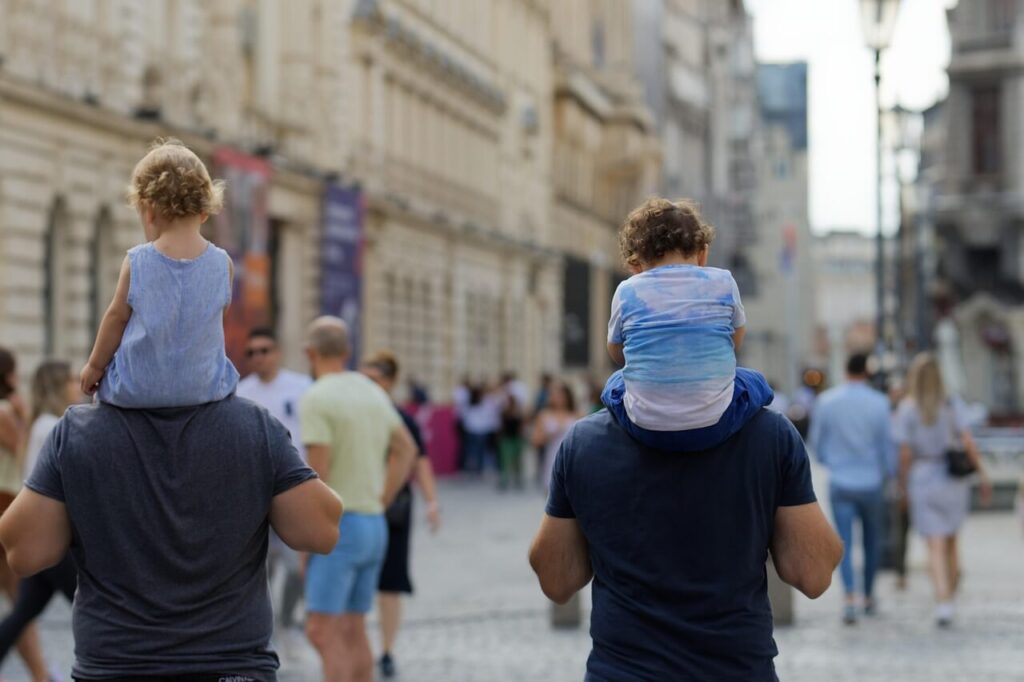
01. Why Do English People Have So Many Different Accents?
Alright, so England’s got, like, 40 accents, right?
Some sound posh, like they’ve got a dictionary stuck in their throat. Some sound proper funny, like they’re chewing on a biscuit mid-sentence. And others? Straight-up clown vibes.
But why so many? Blame history, geography, and everyone being too stubborn to talk the same. Towns 10 miles apart were like, “Nah, we’ll do our own thing,” and boom—40 accents. It’s chaos, but honestly, it’s kinda brilliant.
Imagine arguing with a Geordie, a Scouser, and a Brummie at once. English accents are hilarious, confusing, and absolutely unstoppable. You can’t beat them in an argument—you’ll just burst out laughing.
How Did the English Language Get So Weird?
Vikings showed up in England like uninvited guests to a party—they brought their own languages with them.
The Anglo-Saxons were all about Old English, which sounds like someone trying to speak German while chewing on a potato. It was super complicated, with all these weird grammar rules, like nouns having genders (because why not make life harder?).
Meanwhile, the Vikings rolled in speaking Old Norse, which was like Old English’s cooler, rougher cousin who liked to pillage and say “skål” a lot.
At first, these two languages were like, “Hey, we’re not the same, but we’re kinda similar, so let’s awkwardly coexist.” Over time, they started mixing, like when you accidentally drop your fries into your milkshake and realize it’s not half bad.
Then, in 1066, the Normans crashed the party with their fancy French words and were like, “We’re in charge now, so start saying ‘beef’ instead of ‘cow’ when it’s on your plate.”
This mash-up of Old English, Old Norse, and French turned into Middle English—which still sounds like gibberish to us today.
And that’s how English became the weird, chaotic language it is now—full of rules that make no sense and words stolen from literally everywhere.
02. Why Does England Drive on the Left?
Alright, so, driving on the left in England? Yeah, that goes way back.
Centuries ago, most people were right-handed, so they walked on the left to keep their right hand free—you know, for swords or just saying hi. Then, when horse carriages became a thing, drivers sat on the right to control the horses better, which meant staying on the left side of the road to avoid crashes.
Later, laws like the Highway Act of 1773 and 1835 made it official—left-side driving was the rule. And because Britain had this huge empire, a bunch of other countries picked it up too, like Australia and India. Even Japan went with it, thanks to British influence.
Nowadays, it’s just how it is. Changing it would be a massive hassle, so the UK sticks with it. Plus, cars are built with the driver on the right, so it all works out. Simple as that!
The Medieval Logic Behind Driving Left
In the Middle Ages of England, most people were right-handed—because, let’s face it, left-handed folks were probably too busy being accused of witchcraft or something.
So, travelling or driving on the left allowed them to keep their sword hand (aka the right hand) free to defend themselves from attack or threats more easily. I mean, you never knew when some random bandit or an overly aggressive squirrel might jump out at you.
This whole “stay left” thing was officially practised in 1300 AD when Pope Boniface VIII declared that pilgrims should keep to the left on their way to Rome. I guess even back then, nobody wanted pilgrims crashing into each other while they were busy repenting for their sins.
Carriages, Cows, and Common Sense
Fast forward a few centuries, and wagons and horse-drawn carriages became all the rage.
Drivers, being right-handed, decided to sit on the right side of the carriages to get better control of the horses with their dominant hand. This also meant they could get a better view of the road and avoid crashes—because nobody wants to explain to their insurance why they hit a cow.
Then, in 1773, British law stepped in and said, “Hey, let’s make this official!” They mandated that traffic on London Bridge should keep to the left to reduce congestion and accidents.
And just to make sure everyone got the memo, they told drivers, “Practice driving on the left, or else!” (Okay, maybe they didn’t say “or else,” but you know they were thinking it.)
So yeah, that’s why England drives on the left. It’s a mix of medieval sword-fighting logic, Pope-approved pilgrim rules, and a bunch of right-handed carriage drivers who really didn’t want to hit cows.
And honestly, it’s worked out pretty well—except for tourists who keep looking the wrong way before crossing the street.
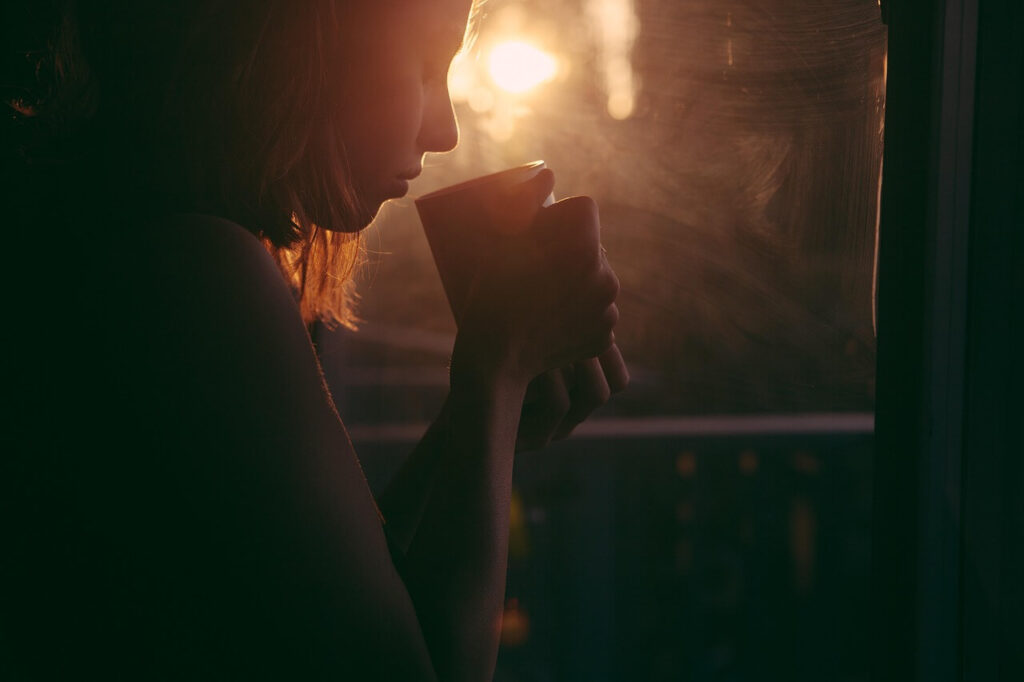
03. Why Is Tea So Popular in the UK?
Alright, let’s talk about tea in England—or, as I like to call it, the British version of duct tape. It fixes everything.
Broken heart? Tea. Bad weather? Tea. Zombie apocalypse? Probably tea.
But no, British people don’t actually drink tea for breakfast, lunch, and dinner. That’s just a stereotype. They also drink coffee. Just kidding—it’s still tea.
A Royal Introduction to Tea
Tea’s popularity in the UK started back in the 1600s when King Charles II’s Portuguese wife brought it over.
By the 18th century, the British East India Company was like, “Let’s import ALL the tea,” and suddenly, tea became a national identity. Forget the Union Jack; the real symbol of Britain is a chipped mug with a teabag floating in it.
Afternoon Tea and Fancy Snacks
In England, tea isn’t just a drink—it’s a social event. Afternoon tea, for example, is basically an excuse to eat sandwiches, scones, and cakes while pretending to be fancy.
Thanks to Anna, the Duchess of Bedford, in the 19th century, we now have this delightful tradition. But let’s be honest—afternoon tea is the worst time to have tea. Who wants to wait until 4 PM for caffeine? By then, I’ve already had three existential crises.
Tea Is the Ultimate Comfort
The UK is cold. Like, really cold. Tea is the ultimate comfort drink because it warms your hands, your soul, and your will to live.
Plus, it’s cheap and easy to make. All you need is a kettle—which every British person owns, even if they don’t own a working oven.
Tea is also the ultimate problem solver. Bad day? Tea. Good day? Tea. Someone died? Tea.
Just don’t cry into your cup, or it’ll taste salty, and then you’ll have another problem to solve with more tea.
In England, tea is the answer to everything. It’s how you show you care, calm someone down, or just take a break from life’s chaos.
So, next time you’re in the UK, remember: when in doubt, put the kettle on. Just don’t ask for iced tea. That’s a crime.
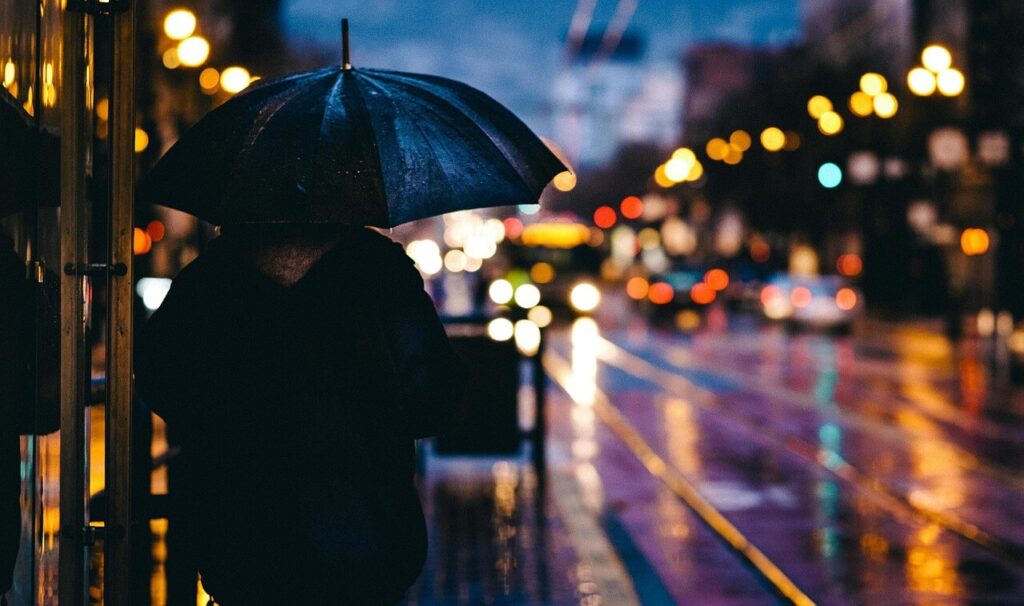
04. Is It Always Raining in England?
In England, the weather is like a box of chocolates—you never know what you’re gonna get!
When I first moved to England, I saw people carrying umbrellas on a sunny day. My 10-year-old brain thought, “Wow, these people are really committed to avoiding a tan!”
So, I marched up to a guy and asked, “Why are you carrying an umbrella? Is the sun too spicy for you?”
He looked at me like I’d just asked why fish don’t ride bicycles and said, “It’s going to rain at 4:00 pm.”
I was like, “Whaaat! Really? Are you a wizard or something?”
I didn’t believe him, but at 3:30 pm, the sky turned into a scene from a horror movie. The clouds were so dark, it felt like someone had flipped the “night mode” switch.
Then, BOOM—thunder! And suddenly, it was raining like the heavens had forgotten to pay their water bill.
So, lesson learned: in England, always carry an umbrella, even if the sun is shining like it’s auditioning for a sunscreen commercial.
Why Does It Rain So Much in England?
Well, England is basically the drama queen of weather. It’s surrounded by the ocean, and the Atlantic jet stream loves to swing by uninvited, bringing moist air like it’s hosting a tea party for clouds.
Plus, the mountains in Scotland and Wales are like, “Hey, air, rise up and cool down!” And boom—rain.
It’s like the UK is in a never-ending soap opera with the weather as the main character.
The Future Forecast: Wet and Worrying
But wait, it gets worse! Some scientists say that by 2100, parts of the UK might be underwater.
Yes, you heard that right—London could turn into the new Venice, but with worse food.
Places like Hull, Peterborough, Portsmouth, and even parts of east London might be swimming with the fishes.
And let’s not forget the other fun stuff climate change is bringing: floods, farming disasters, and water shortages.
Winters will be wetter, summers will be hotter, and we’ll all be walking around with umbrellas in one hand and sunscreen in the other, wondering if we should’ve just moved to Mars.
So, to sum it up: England’s weather is unpredictable, the rain is relentless, and the future looks… damp.
But hey, at least we’ll always have tea to keep us warm while we float away on our umbrellas. Cheers, mate!
England Is Wild (And That’s Why We Love It)
So, in summary, England is an interesting place.
If you ever visit and don’t like it, I’d bet it’s because of the weather. I mean, come on—you never know what to expect! And whatever you do, don’t trust the weather app. Trust me on this one.
Maybe you won’t like it because of the accent, but honestly, you’ll get used to it. Actually, no—you will definitely get used to it.
Anyway, if anything you read was helpful, let us know!